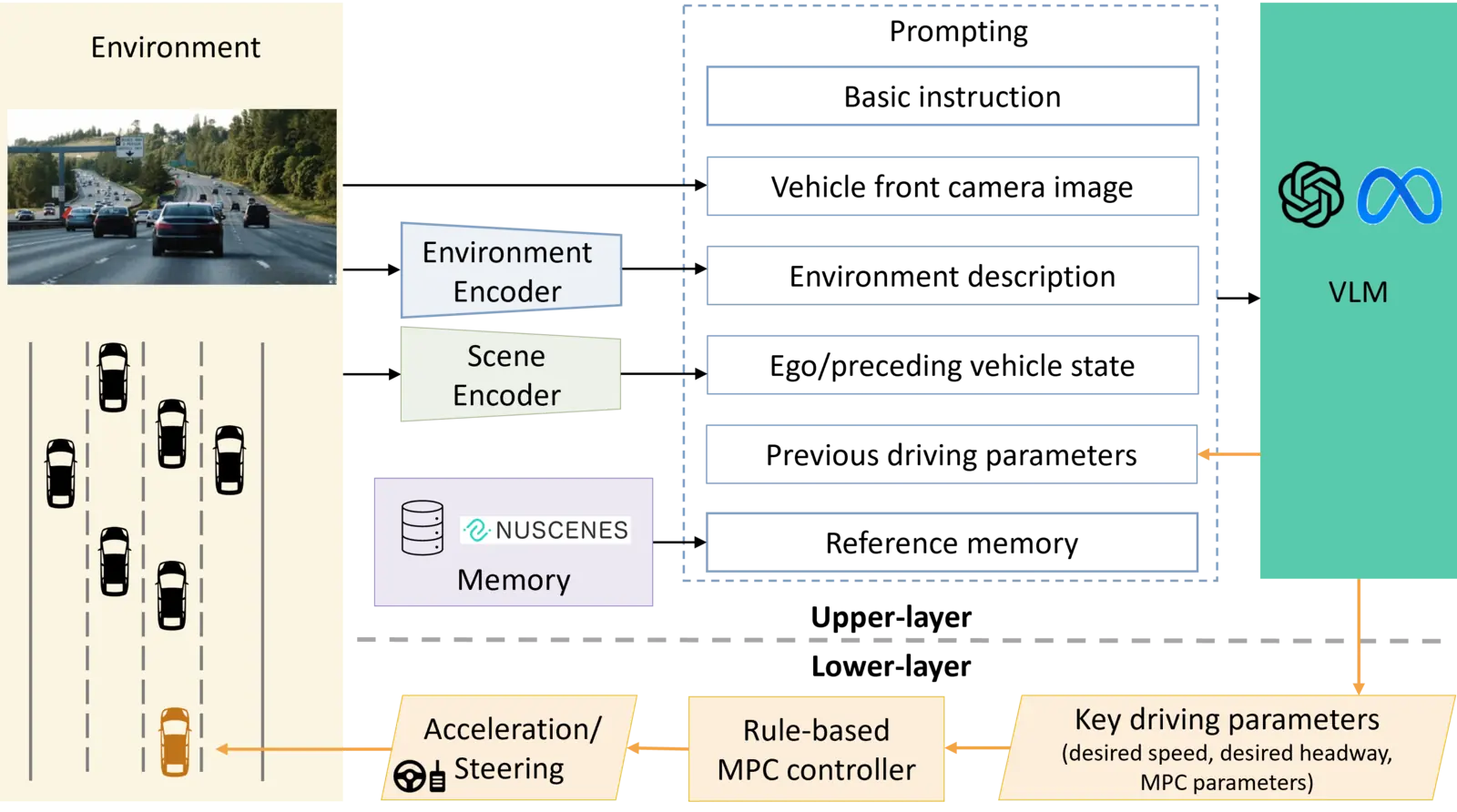
Physics-Enhanced AI
Developing interpretable, physically consistent, and reliable AI methods by integrating physical domain knowledge with data-driven learning.
Physics-Enhanced AI for Transportation
We combine physical knowledge with data-driven learning so that automated vehicles and transportation systems stay safe and reliable in rare, unseen conditions — and we test them on real roads.
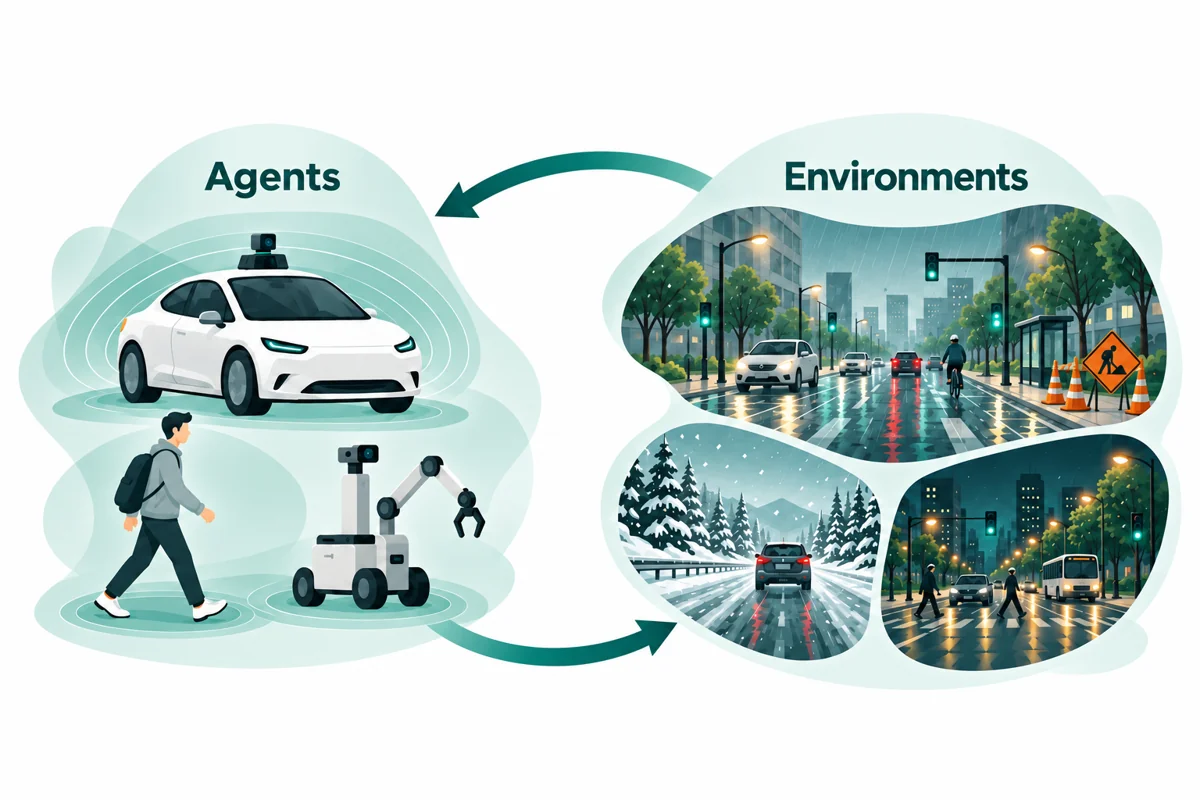
Developing interpretable, physically consistent, and reliable AI methods by integrating physical domain knowledge with data-driven learning.
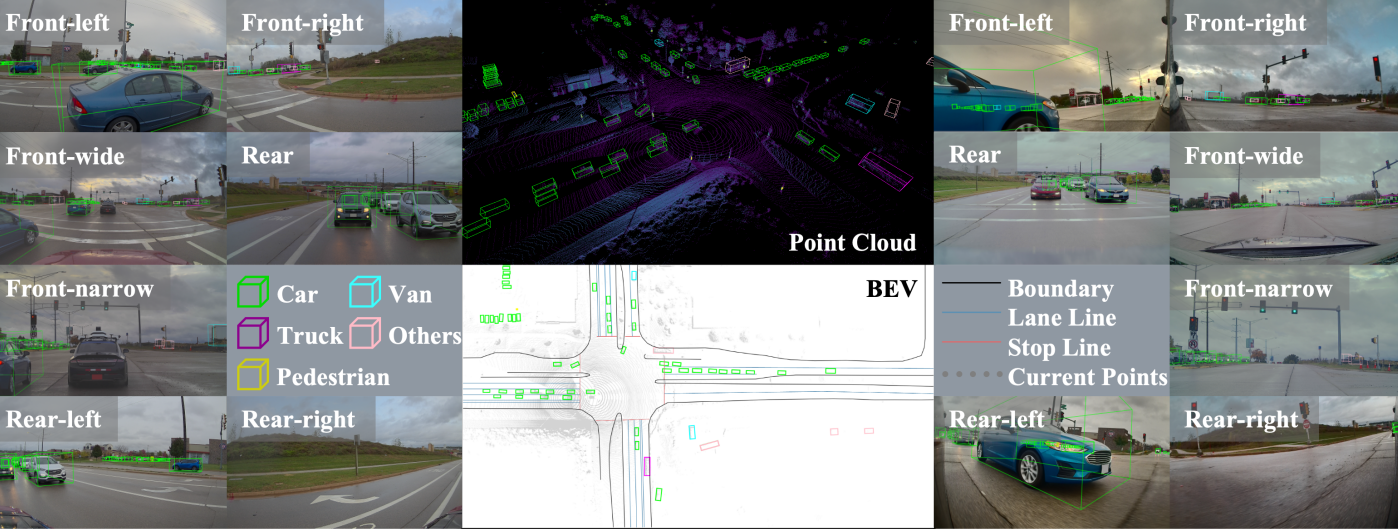
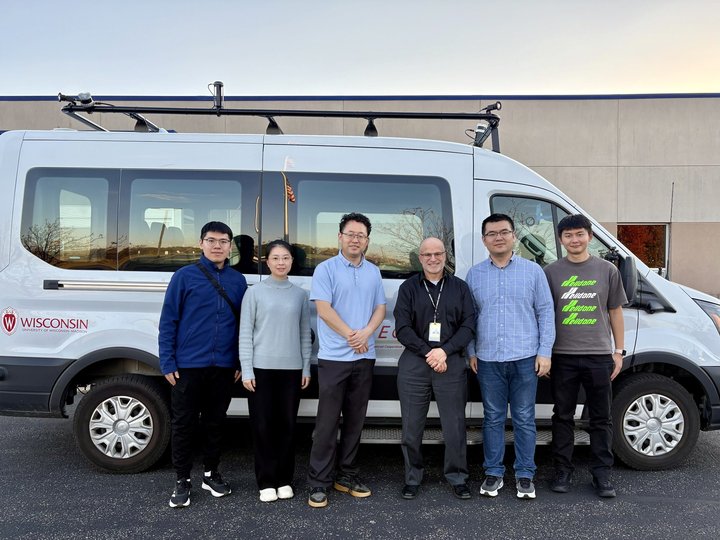
Addressing safety challenges in complex and rare driving scenarios, with an emphasis on rigorous evaluation and real-world validation.
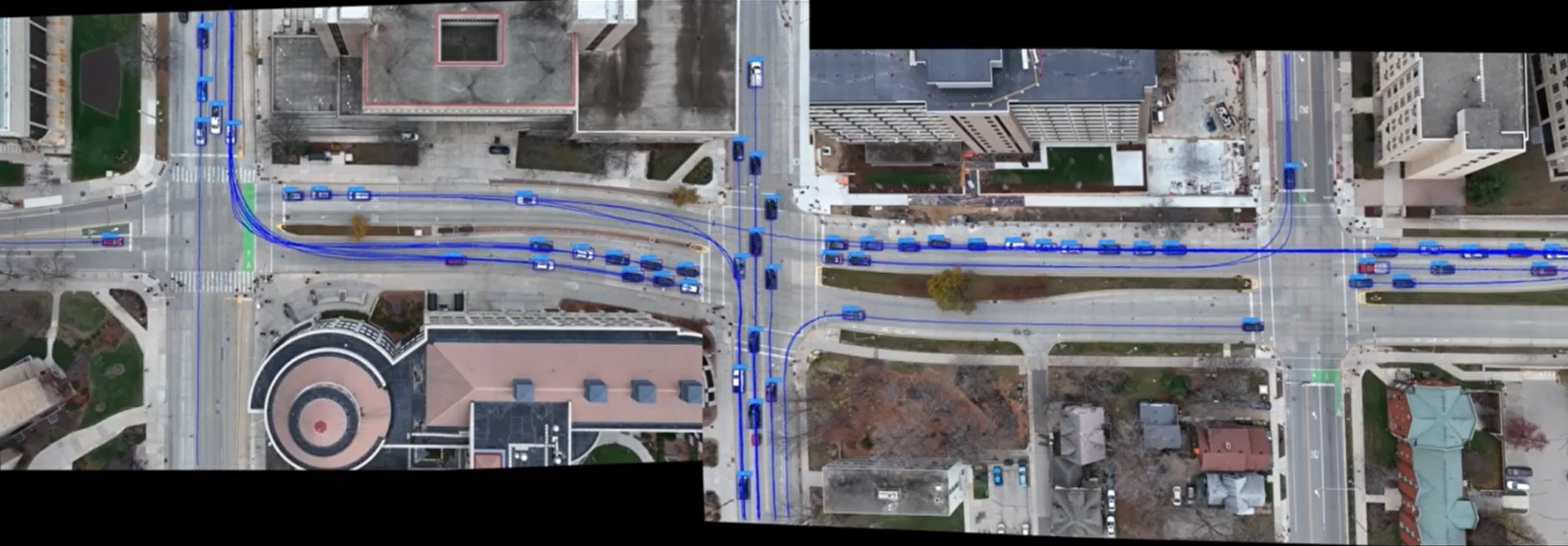
Developing intelligent solutions for transportation monitoring, infrastructure inspection, safety analysis, and traffic management to improve safety and efficiency.
Mobile robotics and physical interaction
Real-world eco-driving experiments
Interactive digital twin environment
Our paper “A Low-Rank Method for Vision Language Model Hallucination Mitigation in Autonomous Driving” was accepted by Transportation Research Part C.
We are organizing the inaugural MIRAI Driving Workshop at ACCV 2026 (Osaka, Japan, Dec 15), with keynote speakers from Purdue University, Waymo, KAIST, and Hokkaido University.
Our paper “Physics-Enhanced Residual Policy Learning (PERPL) for safe cruising in mixed-traffic platooning” was published in Transportation Research Part C.
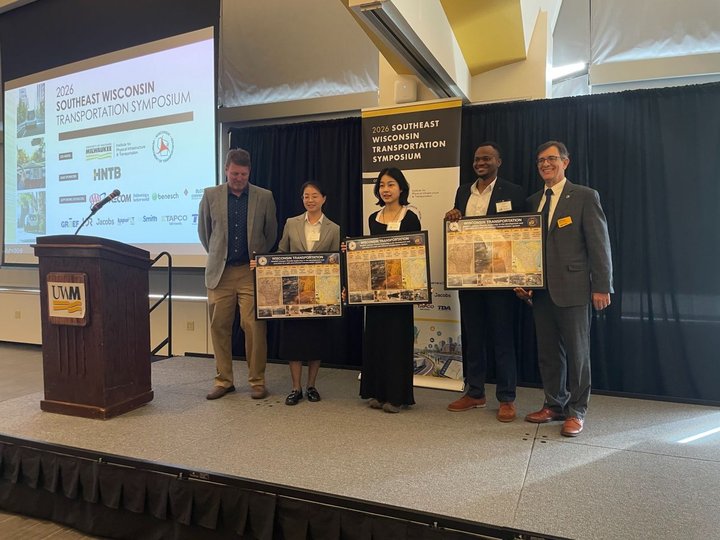
Received the WISL Award for Communicating Postdoctoral Research to the Public. UW Engineering feature.